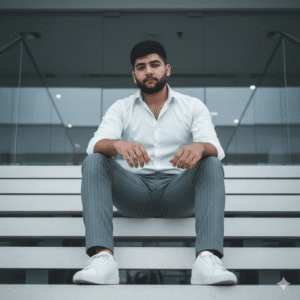
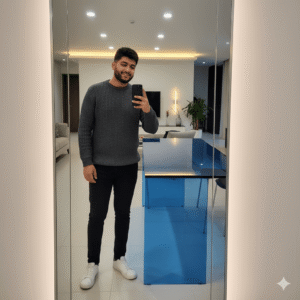
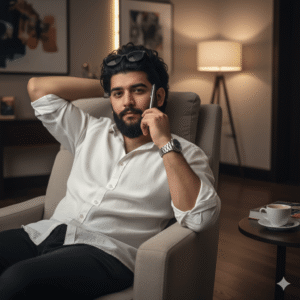
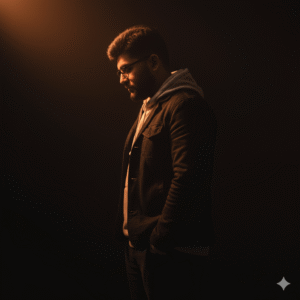
anime portrait editing prompt ChatGPT P(5)
Mastering Anime Portraits with ChatGPT P(5): The Ultimate Prompting Guide
The intersection of artificial intelligence and digital art has opened up incredible avenues for creators, writers, and hobbyists alike. Among these innovations, using advanced ChatGPT frameworks like the P(5) prompting method has revolutionized how we generate, refine, and edit anime-style portraits. Whether you are building an avatar for your gaming profile, illustrating a light novel, or simply experimenting with digital aesthetics, understanding how to communicate effectively with AI is the key to unlocking stunning visual results.
This guide will walk you through how the ChatGPT P(5) structure works for anime portrait editing and provide you with actionable templates you can copy, paste, and customize today.
Understanding the P(5) Prompting Framework
The P(5) method is a highly structured, sequential prompting technique designed to give you maximum control over AI outputs. Instead of feeding a generic request into the AI, P(5) breaks the prompt down into five distinct pillars:
Persona: Defining the exact role or artistic identity the AI should adopt.
Premise: Setting the foundational context or scene background.
Parameters: Specifying strict technical constraints (e.g., aspect ratios, color palettes, lighting styles).
Procedure: Outlining the step-by-step modifications or composition workflow.
Polishing: Adding specific keywords to refine textures, line weights, and final rendering details.
By organizing your requests this way, you eliminate the guesswork often associated with AI art generation, ensuring that the final portrait matches your exact creative vision.
This guide will walk you through how the ChatGPT P(5) structure works for anime portrait editing and provide you with actionable templates you can copy, paste, and customize today.
1. The Classic Shonen Aesthetic
Perfect for action-oriented characters, featuring sharp angles, bold linework, and high-contrast dramatic lighting.
[Persona]: Act as an elite animation director specializing in modern shonen anime. [Premise]: Transform the reference subject into a powerful warrior character mid-battle. [Parameters]: Use a 16:9 aspect ratio, a fiery color palette dominated by crimson and deep charcoal, with high-contrast cel-shading. [Procedure]: First, redesign the hair to be spiky and dynamically wind-blown. Second, sharpen the jawline and intensify the gaze with glowing, expressive eyes. Third, add subtle energy cracks or glowing aura effects in the background. [Polishing]: Finish with clean, thick ink linework, minimal gradient blurs, and an overall sharp, digital-paint finish reminiscent of modern action studio animation
2. The Whimsical Shoujo & Pastel Vibe
Ideal for soft, emotional, and dreamy avatars with large, sparkling eyes and delicate features.
[Persona]: Act as a celebrated shoujo manga artist and colorist. [Premise]: Recreate the portrait as a gentle, slice-of-life anime protagonist. [Parameters]: Use a 4:5 aspect ratio, a soft pastel color scheme (mint greens, cherry blossom pinks, lavender), and soft, ambient diffusion. [Procedure]: First, enlarge the eyes slightly, adding intricate star-like highlights and detailed reflections. Second, soften the hair textures into fluid, flowing waves. Third, place the character against a subtly blurred background of a sunlit school corridor or a blooming garden. [Polishing]: Emphasize delicate, thin pencil-sketch outlines, watercolor-style overlay textures, and a warm, nostalgic lens flare.
Pro-Tips for Editing and Refining Your Output
When utilizing ChatGPT P(5) prompts for image editing pipelines, small tweaks can yield vastly different results. Keep these three optimization tips in mind:
Isolate Variables: If the facial structure looks perfect but the colors are off, copy your original prompt but strictly modify the [Parameters] section to change the lighting or color palette.
Control the Line Weight: In anime art, line art dictates the era. For a 90s retro look, request “heavy ink outlines with slight color bleeding.” For a contemporary look, ask for “ultra-fine digital line art.”
Leverage Negative Constraints: Don’t hesitate to tell the AI what not to include in the Polishing section (e.g., “avoid realistic skin textures,” “no photorealism,” or “no messy gradients”).
Using the P(5) framework transforms your interaction with AI from a game of chance into a precise digital art studio. Experiment with shifting the variables, and watch your creative concepts come to life with flawless anime precision.